
Seasonal Wine Tourism in New Jersey: Spring, Summer, Fall, and Winter
New Jersey wine country changes character with the weather, and that shift shapes everything from the pace of a visit to the best things to pack. If you like planning around atmosphere, this seasonal guide can help you choose the right time for the kind of winery day you want.
Explore ↗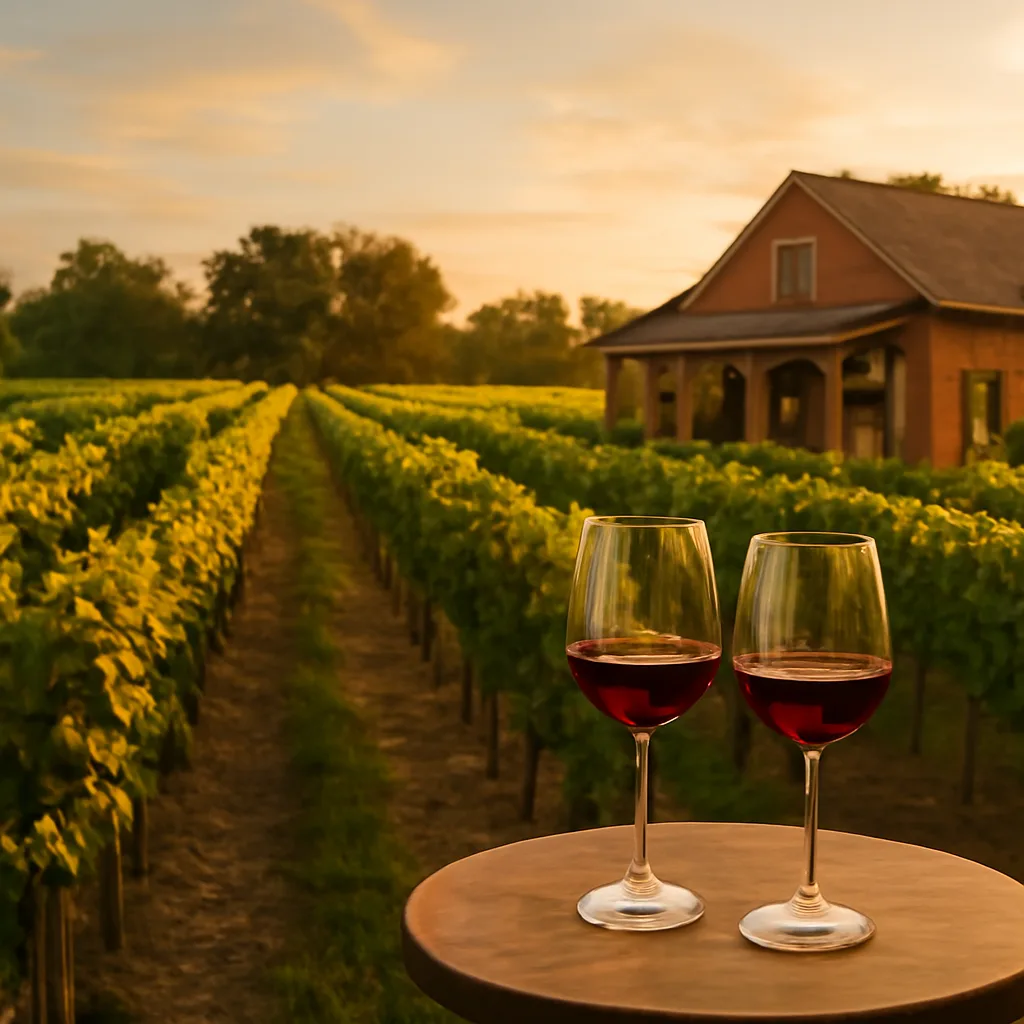
Spring: Fresh Growth and Easier Pacing
Spring is often the season when vineyard landscapes start to wake up. The focus shifts from winter stillness to new leaves, pruning follow-up, and the first signs of active growth. For visitors, that usually means a more relaxed atmosphere and a strong sense of transition in the vineyard.
This is a good time for people who enjoy quieter tastings and clear views of the land before the canopy fills in. Cooler temperatures can make outdoor seating comfortable without the intensity of midsummer heat. It is also a practical season for visitors who want to ask more questions and spend time learning how the vines are changing from week to week.
- Bring layers; spring weather can swing from cool mornings to warm afternoons.
- Check whether outdoor seating is fully open, since conditions can change quickly.
- Expect the landscape to look less lush than later in the year, but often more open and easy to read.
Summer: Long Days and Outdoor Energy
Summer brings the most full-bodied outdoor experience for many wine travelers. Longer daylight hours make it easier to combine tastings with a slower drive, a picnic-style stop, or a second visit elsewhere in the region. The landscape tends to be at its greenest, which can make vineyard views feel especially vivid.
That said, summer also requires more planning. Heat, humidity, and crowds can affect comfort, so timing matters. Earlier arrivals are often easier for people who want to keep tastings calm and avoid the hottest part of the day. If you are aiming for a patio or lawn setting, summer is usually when those spaces feel most active.
A summer visit is best approached with practical habits: hydrate, allow extra travel time, and keep your schedule flexible if weather changes. Thunderstorms or sudden heat can shift the experience quickly, especially for outdoor-focused stops.
- Aim for morning or early afternoon if you prefer milder temperatures.
- Use a designated driver or another transportation plan before you go.
- Carry water, sunscreen, and a plan for indoor backup if the weather turns.
Fall: Harvest Mood and the Most Atmospheric Visits
Fall is often the most dramatic season in wine tourism because the vineyard itself becomes part of the event. Leaves change color, temperatures ease up, and the whole region can feel more cinematic. For many visitors, this is the season that best matches the classic wine-country image.
It is also the time when vineyard work can be at its busiest. That means the visitor experience may feel more energetic and less predictable than in quieter months. Some travelers enjoy watching that activity because it adds context to the glass in front of them. Others may prefer to book earlier in the day or choose less crowded times.
If you want the richest seasonal contrast, fall is a strong choice. You may get comfortable weather, scenic foliage, and a more noticeable sense of the wine calendar moving toward the end of the growing year.
- Plan ahead, since fall can be popular for weekend travel.
- Dress in layers; mornings and evenings can cool down quickly.
- Expect vineyard operations to shape the mood of the day, even if the tasting room itself stays calm.
Winter: Cozy Tastings and a Slower Landscape
Winter changes wine tourism in a different way. The vineyard rows become more visible, the landscape looks stripped back, and tastings often shift indoors. For visitors who like a quieter pace, winter can be an appealing time to linger, talk, and focus on the wine rather than the scenery alone.
Because the outdoor environment is more limited, winter visits reward travelers who care about warmth, comfort, and conversation. It can be a strong season for people who want a low-key day rather than a packed itinerary. Roads and weather deserve more attention, though, especially if there is snow, frost, or early darkness.
Winter also offers a useful perspective on how seasonal wine tourism works. The experience becomes less about vineyard views and more about atmosphere, hospitality style, and the contrast between the dormant vines outside and the tasting room inside.
- Check weather and daylight before leaving, especially for later-day plans.
- Choose comfortable clothes and footwear suited to cold or damp conditions.
- Expect a more indoor-centered visit with fewer landscape distractions.
How to Choose the Right Season for Your Trip
The best season depends on what you want from the day. Spring suits visitors who like freshness and open views. Summer fits people who want long, bright days outdoors. Fall works well for travelers drawn to harvest energy and colorful scenery. Winter is best for those who prefer a quiet, sheltered, conversation-forward visit.
Instead of asking which season is best overall, ask what kind of memory you want to make. Do you want flowers and new growth, sun and patio time, foliage and harvest mood, or a calm indoor escape? That question usually leads to a better plan than following the most popular month.
For trip planning, think in terms of comfort, timing, and flexibility. Seasonal wine tourism in New Jersey is not just about what is poured in the glass. It is also about how the surrounding environment changes the pace, the mood, and the kind of attention you can give the experience.
- Match your season to your preferred pace, not just to the weather.
- Build in flexibility for traffic, temperature, and outdoor conditions.
- Use each season to notice different parts of the vineyard story.
Discover
A Beginner’s Guide to Visiting New Jersey Wineries
A practical primer for first-time winery visitors: tasting room etiquette, timing tips, and what to expect on a New Jersey wine day out.
How to Plan a Vineyard Weekend Without Rushing the Tastings
Build a slow, enjoyable vineyard weekend with smart timing, meal breaks, driving pauses, and a schedule that leaves room to unwind.
What to Look for in a Great Tasting Room Experience
A practical guide to tasting room atmosphere, service, pours, seating, and outdoor spaces for a more enjoyable winery visit.
Pairing Local Food Stops with a Winery Day Trip
Plan a relaxed winery day trip by weaving in farms, bakeries, markets, and casual meals that keep your tasting day easy and well paced.